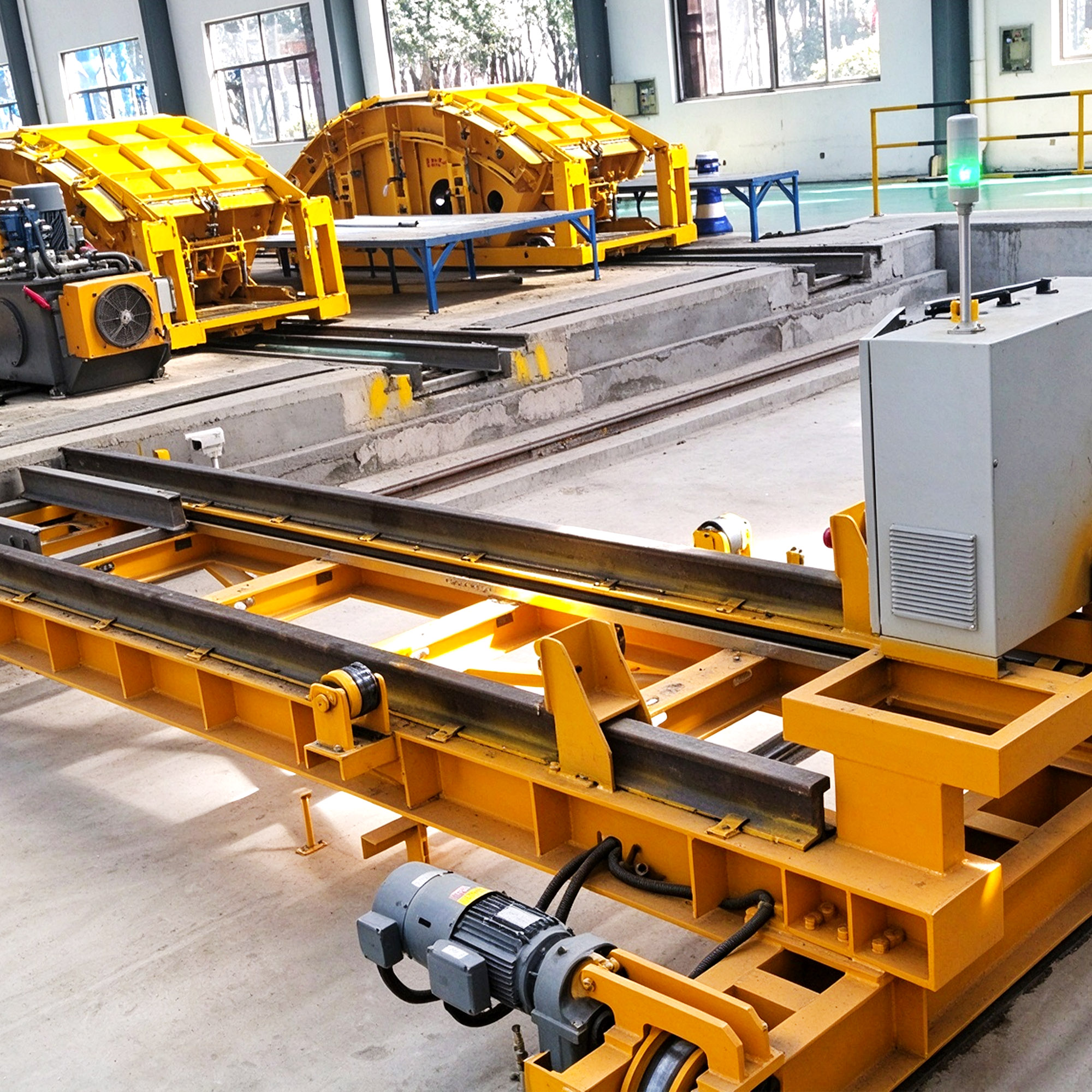
Ferry Car
Rail-guided transfer between production positions.
- Size options
- 4.5 / 5 / 5.5 / 6 m
- Weight options
- 2.2 / 2.5 / 2.8 t
- Minimum order
- 2 units


Yangzhou, Jiangsu manufacturing base
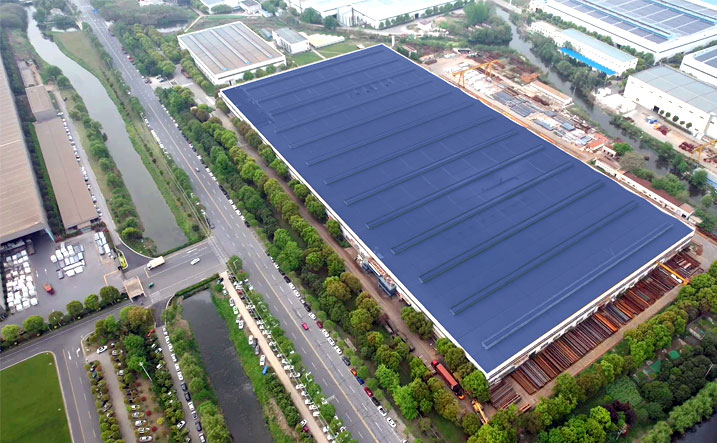
Fenghe designs and manufactures shield segment moulds, transfer systems, intelligent robots and inspection equipment in a 20,000 m² workshop with eight production lines.
Procurement path
Choose the part of the segment line you are specifying. Each path leads to the equipment, size options and minimum orders for that scope.

Custom shield segment moulds for precast tunnel rings.
Segment moulds: 1 productFerry cars, mother-daughter trolleys and power systems that move moulds along the line.
Transfer and power: 3 products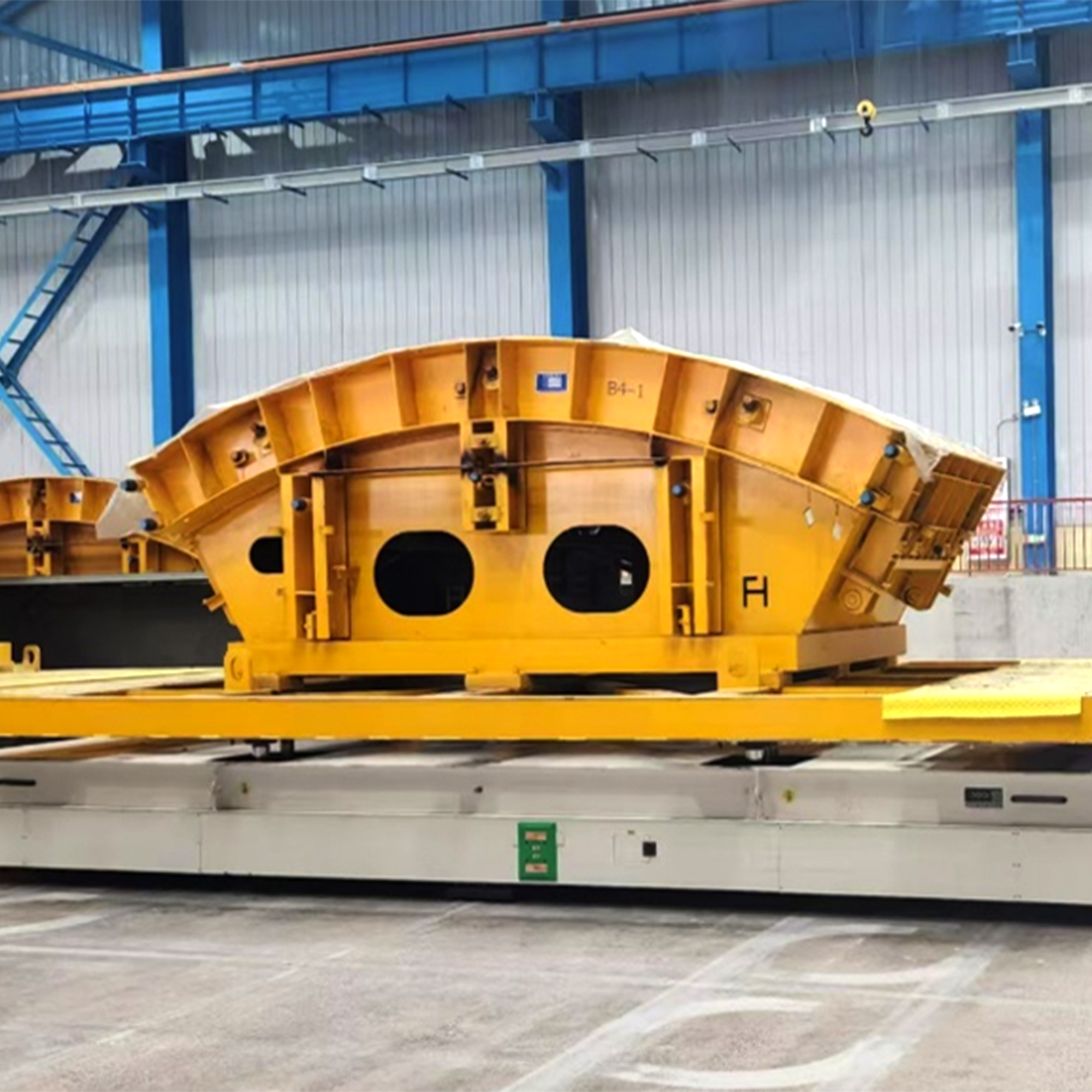
Heavy-duty AGVs and intelligent robots for handling, cleaning, spraying and finishing.
Robots and AGV: 2 products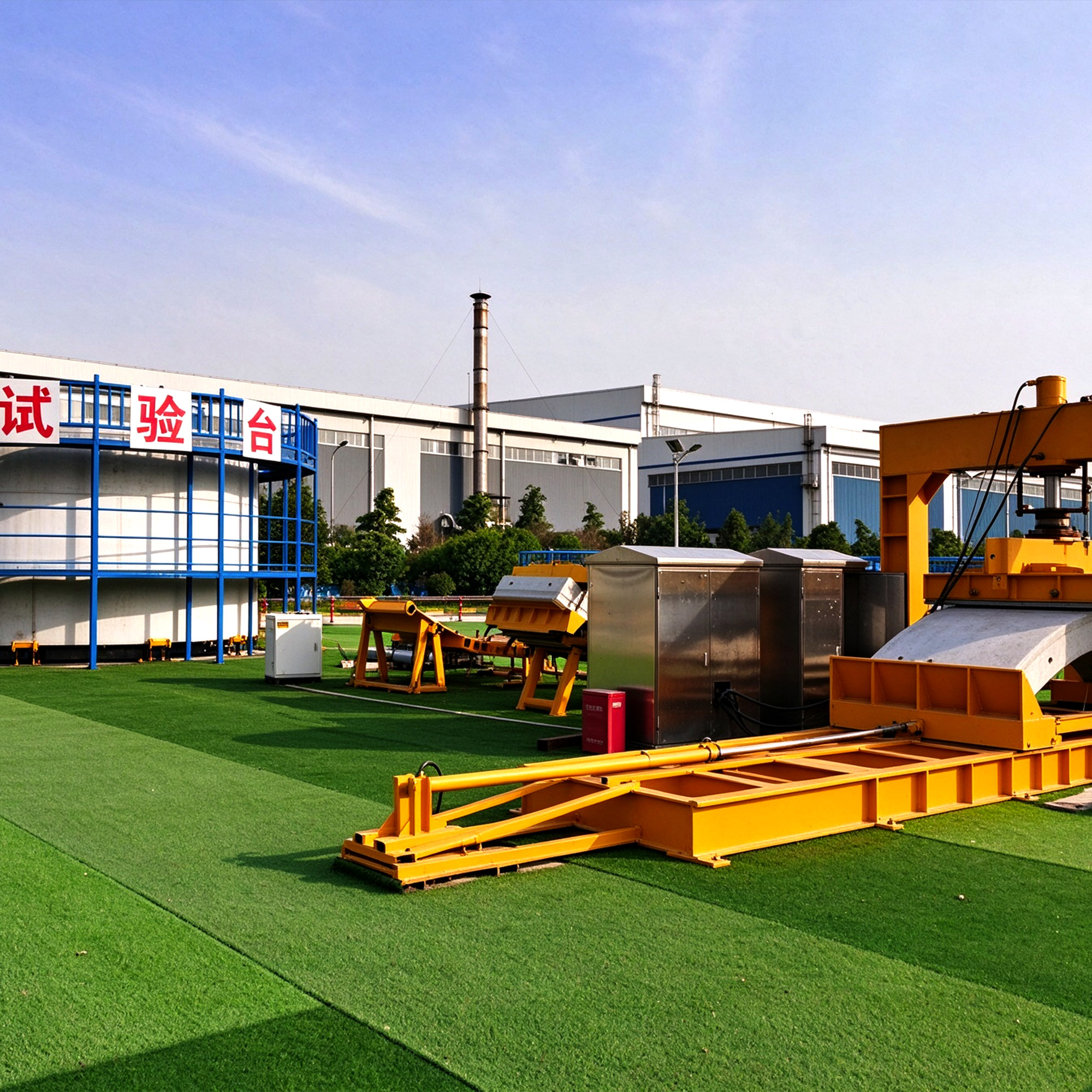
Test equipment for segment bending, impermeability, pull-out and ring assembly.
Inspection: 1 productFeatured equipment
Size and weight variants sit inside one product, with the minimum order shown up front.
Rail-guided transfer between production positions.
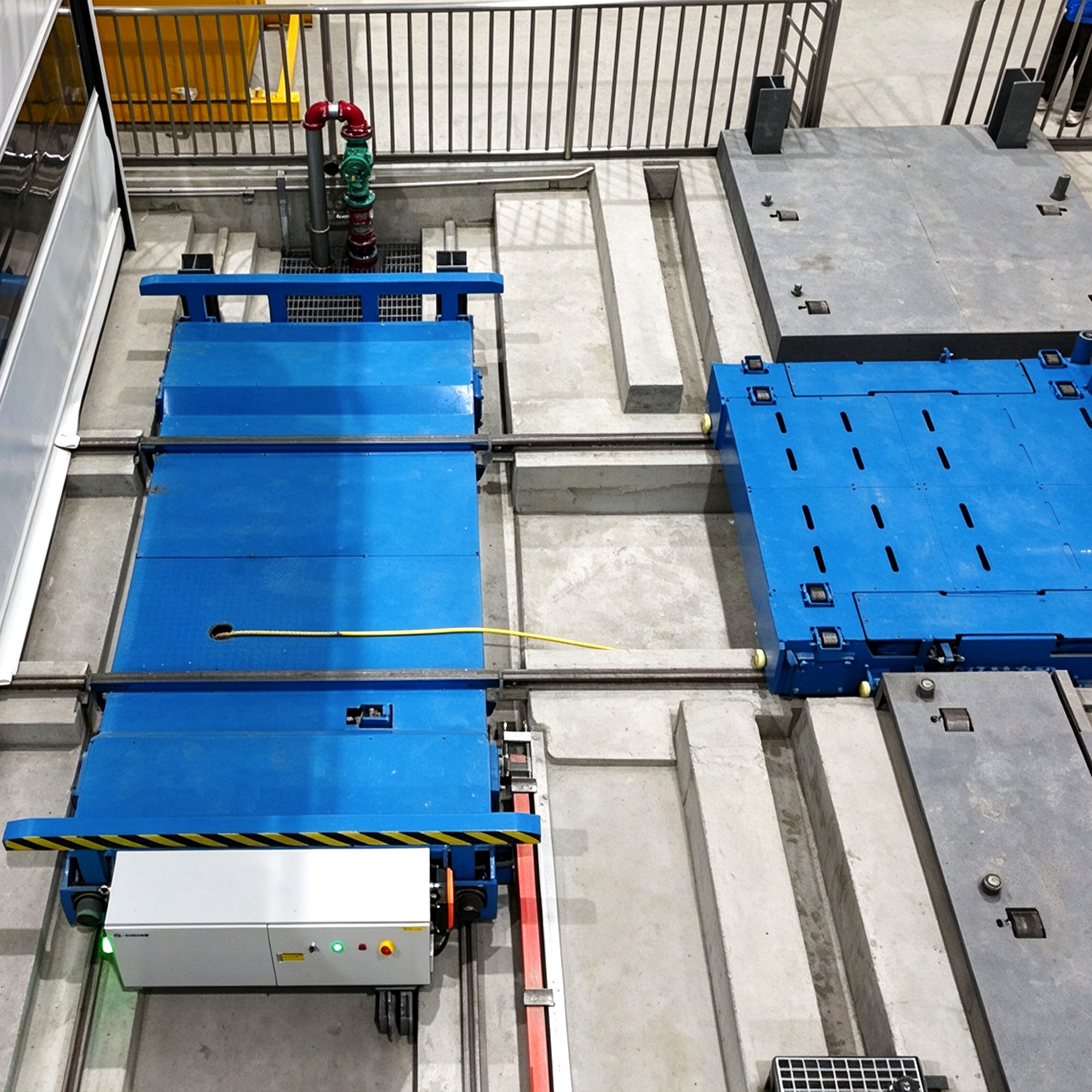
Paired trolleys for moving moulds between track positions.
Automated guided vehicle for heavy mould loads.
Segment mould engineering
Fenghe designs and manufactures shield segment moulds around the customer's ring geometry, segment division and plant layout.
Automated-line systems
Transfer, power, curing, robots and inspection equipment are configured around your plant layout and presented as components of a single segment line.
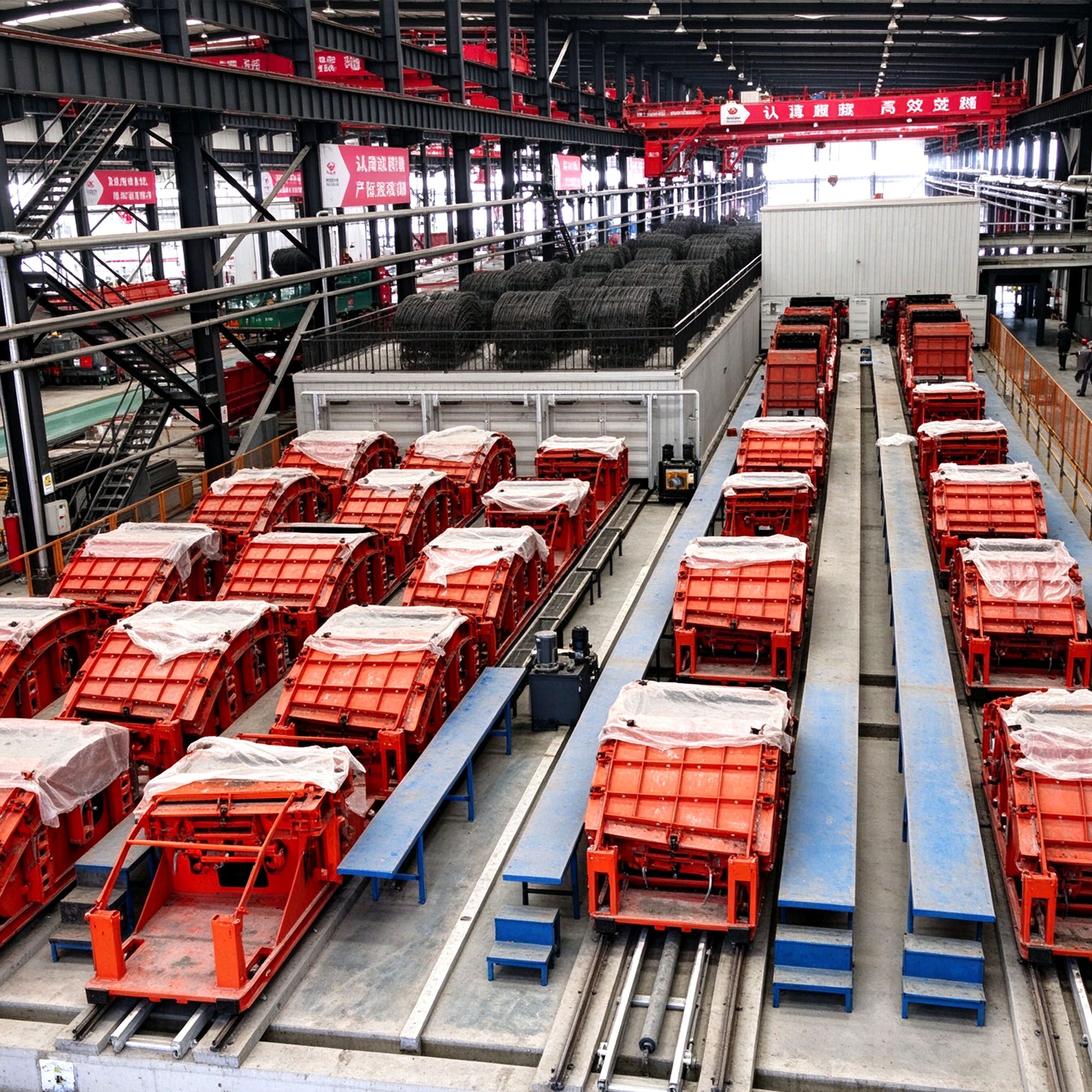
Ferry car, mother-daughter trolley and heavy-duty AGV options that move moulds between stations.
Power equipment sized to the line, with 80 to 120 m options.
Station doors and vibration isolation arranged to your line layout.
Placing and feeding stations matched to your mould and plant flow.
Control equipment for temperature and central coordination of the line.
Station monitoring so operators can follow line status.
Step 01
Robots open and close the mould, clean it and spray it before the next cycle.
Step 02
Embedded parts are handled and material is placed and fed to the mould.
Step 03
Isolated vibration stations and curing doors, with temperature and central control.
Step 04
Mould covers are lifted and finished segments are demoulded.
Step 05
Segments are tested for bending, impermeability, pull-out and ring assembly.

Material handling and robotics
Trolleys and AGVs carry loaded moulds between positions, while the intelligent robot takes over the repeated handling and surface work around each mould.
Verified manufacturing equipment
Moulds and line equipment are made in a four-bay workshop with eight production lines, using the machining, cutting and assembly equipment shown below.
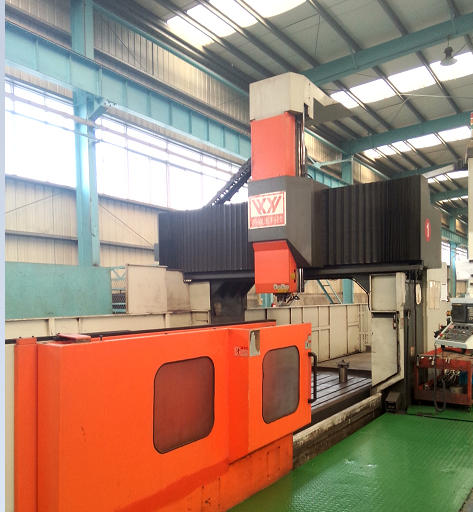
Gantry milling for large mould structures.
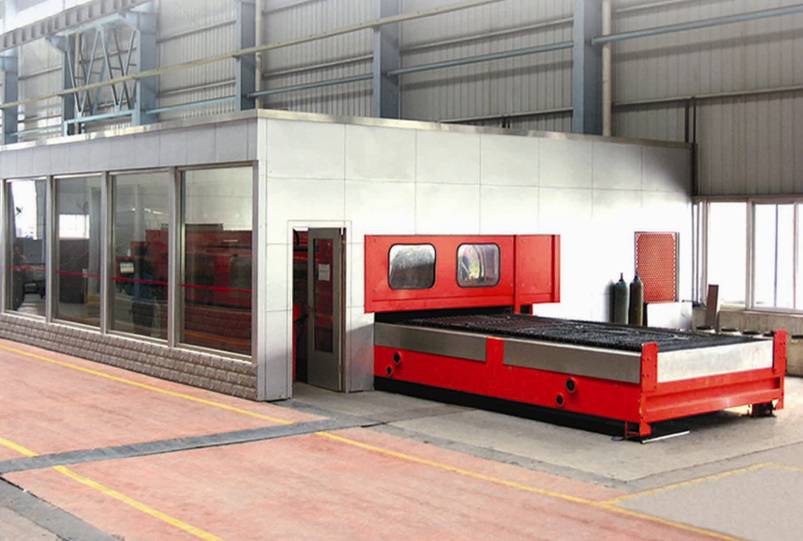
Laser cutting machine in an enclosed bay.
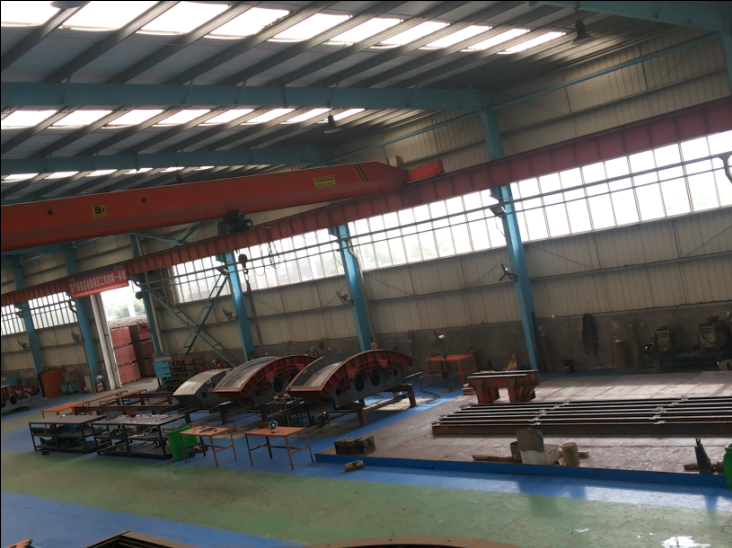
Assembly bay with overhead crane.
Quality and CE evidence
We hold a CE document for the Shield segment mould and supply inspection equipment for bending, impermeability, pull-out and three-ring assembly tests.
Figures come from company records. Project scope, quantities and schedule are set out in each quotation.
CE document
On file with Fenghe
Project collaboration
A clear sequence for overseas contractors and precast plant planners, so your team knows what to send and what to expect at each stage.
Step 01
Share ring diameter, segment drawings, plant plan and target output with our engineers.
Step 02
We match mould, transfer, robot and inspection scope to your plant layout.
Step 03
Quantities, minimum orders, size options and the delivery timeline are set out in writing.
Step 04
Production in the Yangzhou workshop using CNC machining, laser cutting and assembly bays.
Step 05
Equipment checks and export documentation are prepared with your logistics team.
Send the ring diameter, equipment scope and target timeline. Our engineers reply to every RFQ with the questions needed to scope your quotation.